


BIODIVERSITY SURVEY AT EA SO NATURE RESERVE AND ITS IMMEDIATE ADJOINING FOREST
As part of the collaborative program between Ea So Nature Reserve (Dak Lak Province) and Center for Nature Conservation and Development (CCD) to conserve biodiversity and restore key species and ecosystems, CCD and the reserve’s management board conducted a field biodiversity survey from June through August 2025. The survey aimed to update biodiversity data within the reserve, with a particular focus on globally threatened and endangered species.
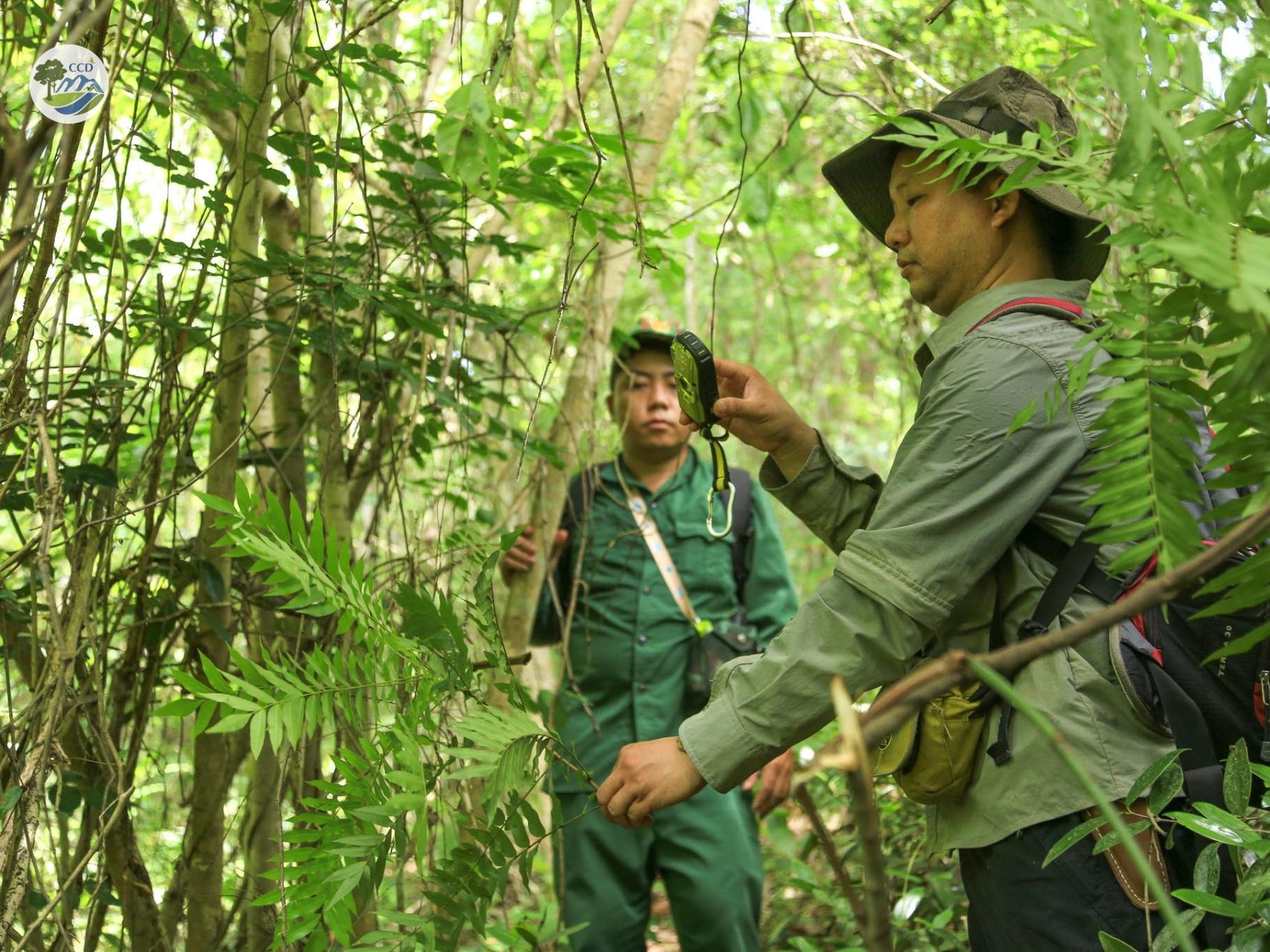
Ea So and the adjacent Krong Nang Watershed Forest lie within one of the world’s most important biodiversity hotspots. The area harbors a mosaic of rare and unique habitats, including semi-deciduous forests, evergreen forests, and especially extensive natural grasslands—currently recognized as the largest remaining natural grassland ecosystem in Vietnam. These grasslands are vital to the survival of many threatened plant and animal species, particularly large ungulates.
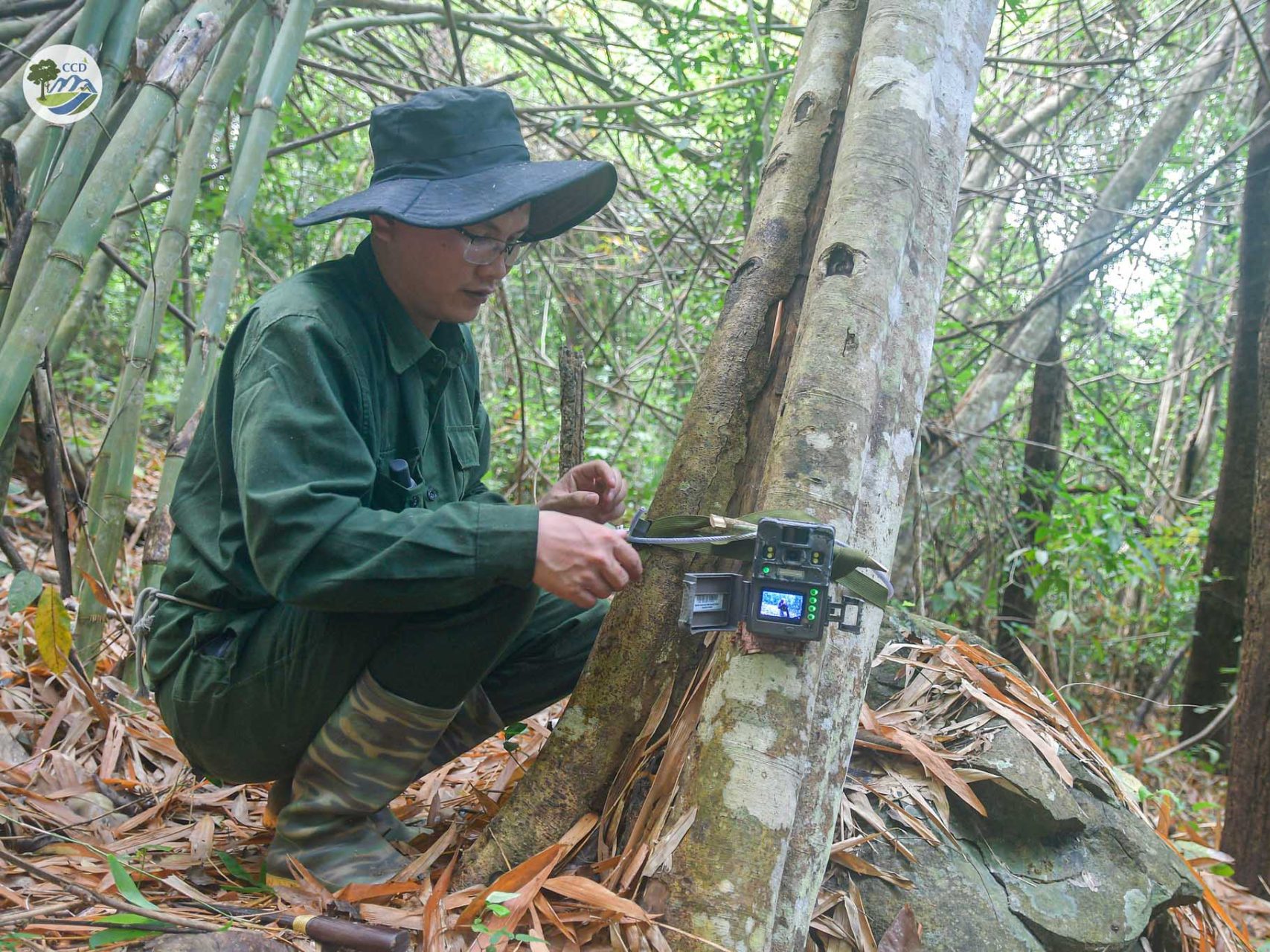
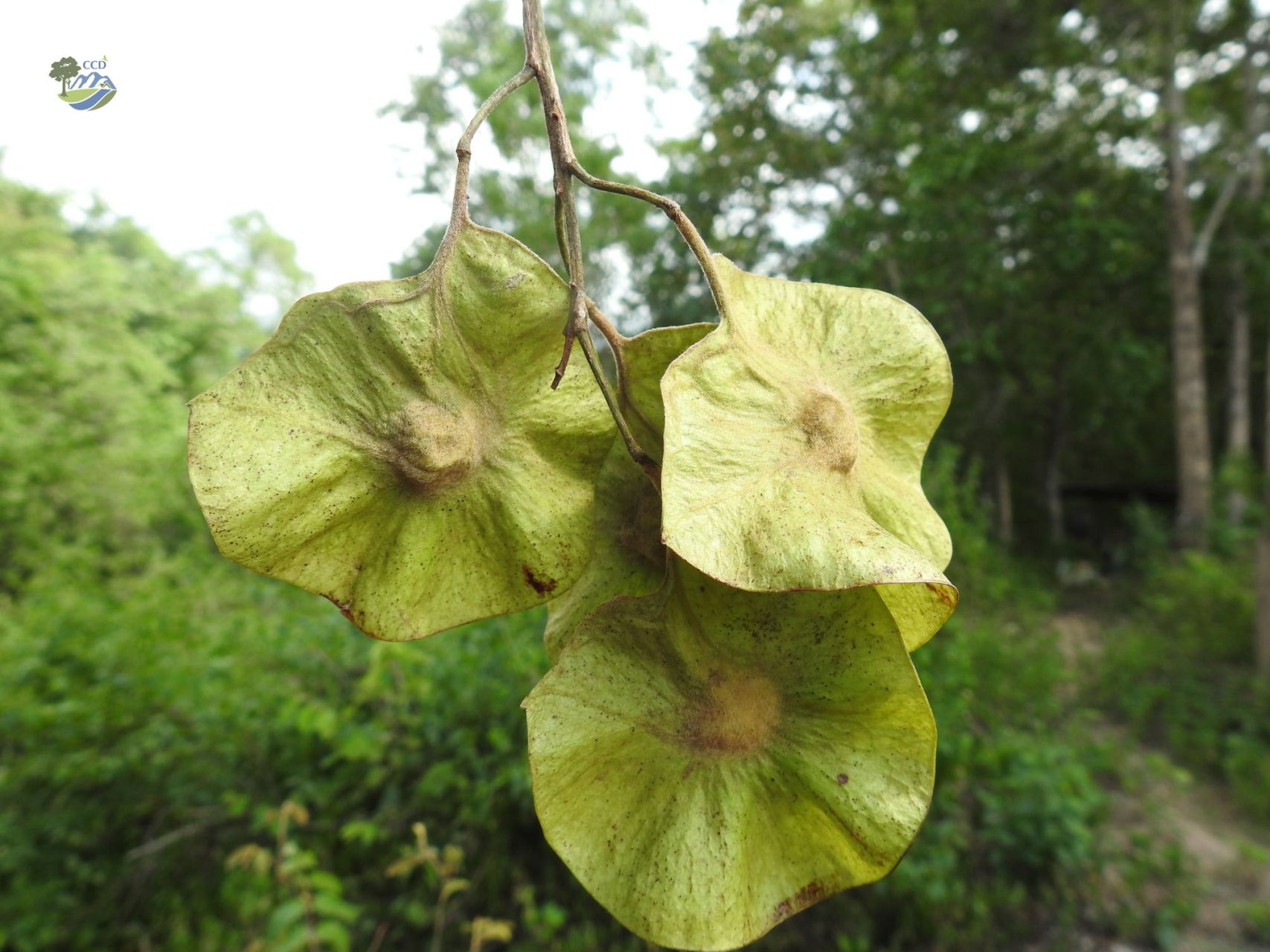
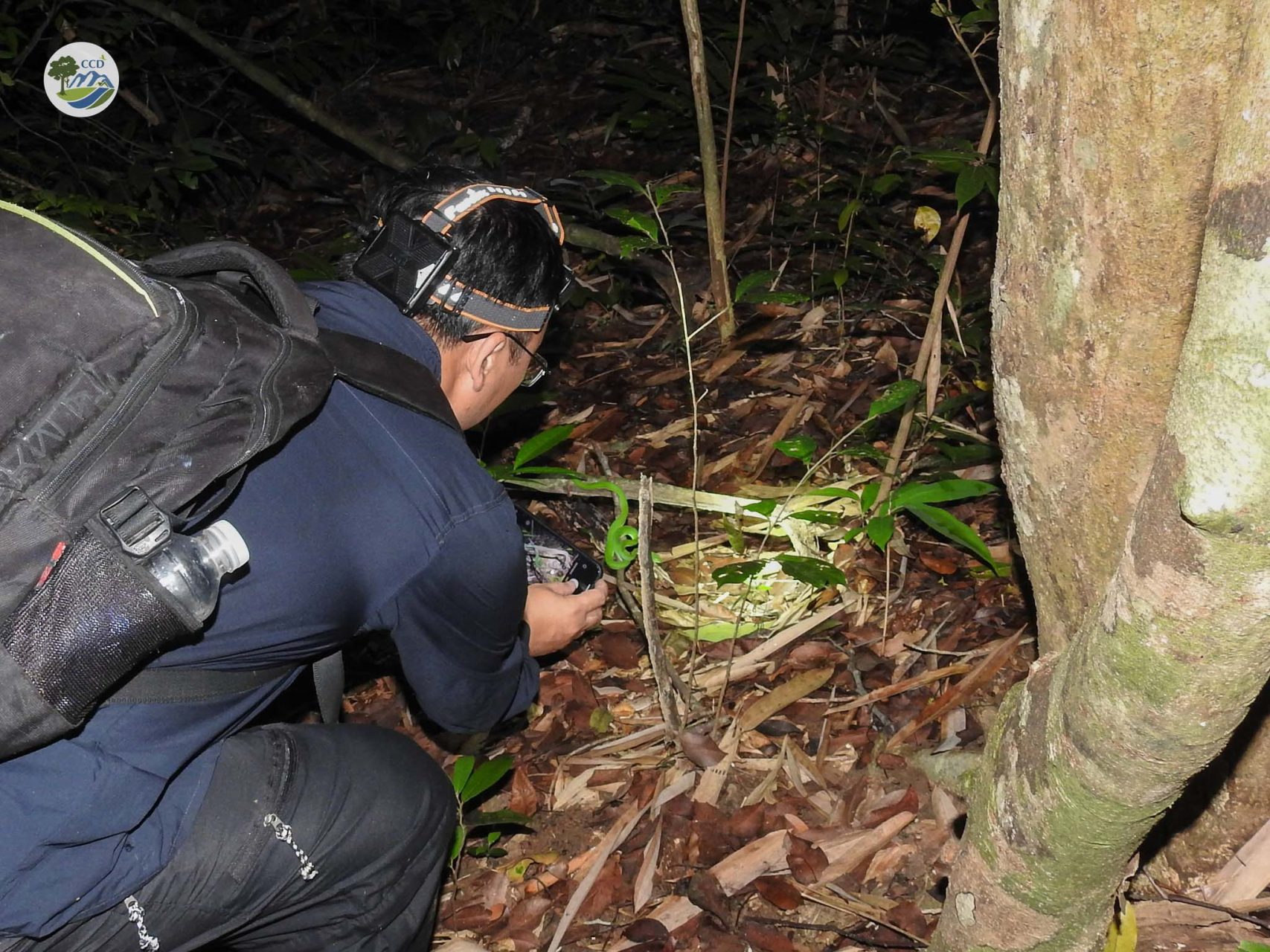
The survey confirmed the presence of numerous high conservation value species such as banteng (Bos javanicus), gaur (Bos gaurus), black-shanked douc langur (Pygathrix nigripes), silvered langur (Trachypithecus margarita), green peafowl (Pavo muticus), as well as valuable timber species including Dalbergia cochinchinensis, Dalbergia oliveri, and Pterocarpus macrocarpus. However, the assessment also revealed ongoing threats from illegal hunting, logging, and the unsustainable harvest of non-timber forest products in the surrounding buffer zones.
To effectively protect and restore these critical ecosystems and their endangered species, it is essential to expand the legal boundary of Ea So Nature Reserve to include the remaining evergreen forest within the Krong Nang Watershed. This would create a larger, ecologically cohesive landscape that can sustain populations of globally threatened species. Additionally, increased financial investment, additional personnel, and enhanced technical support are urgently needed.
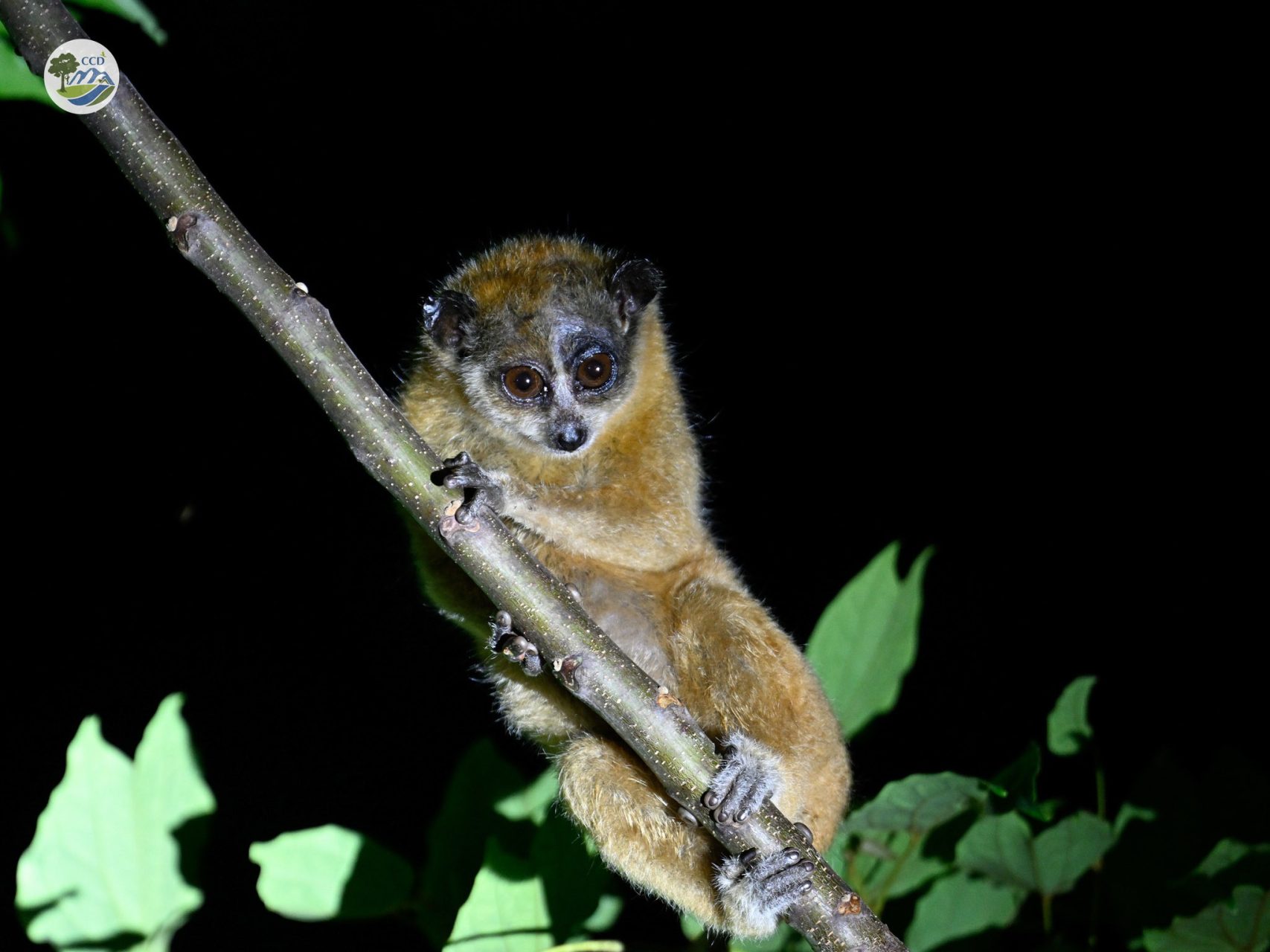
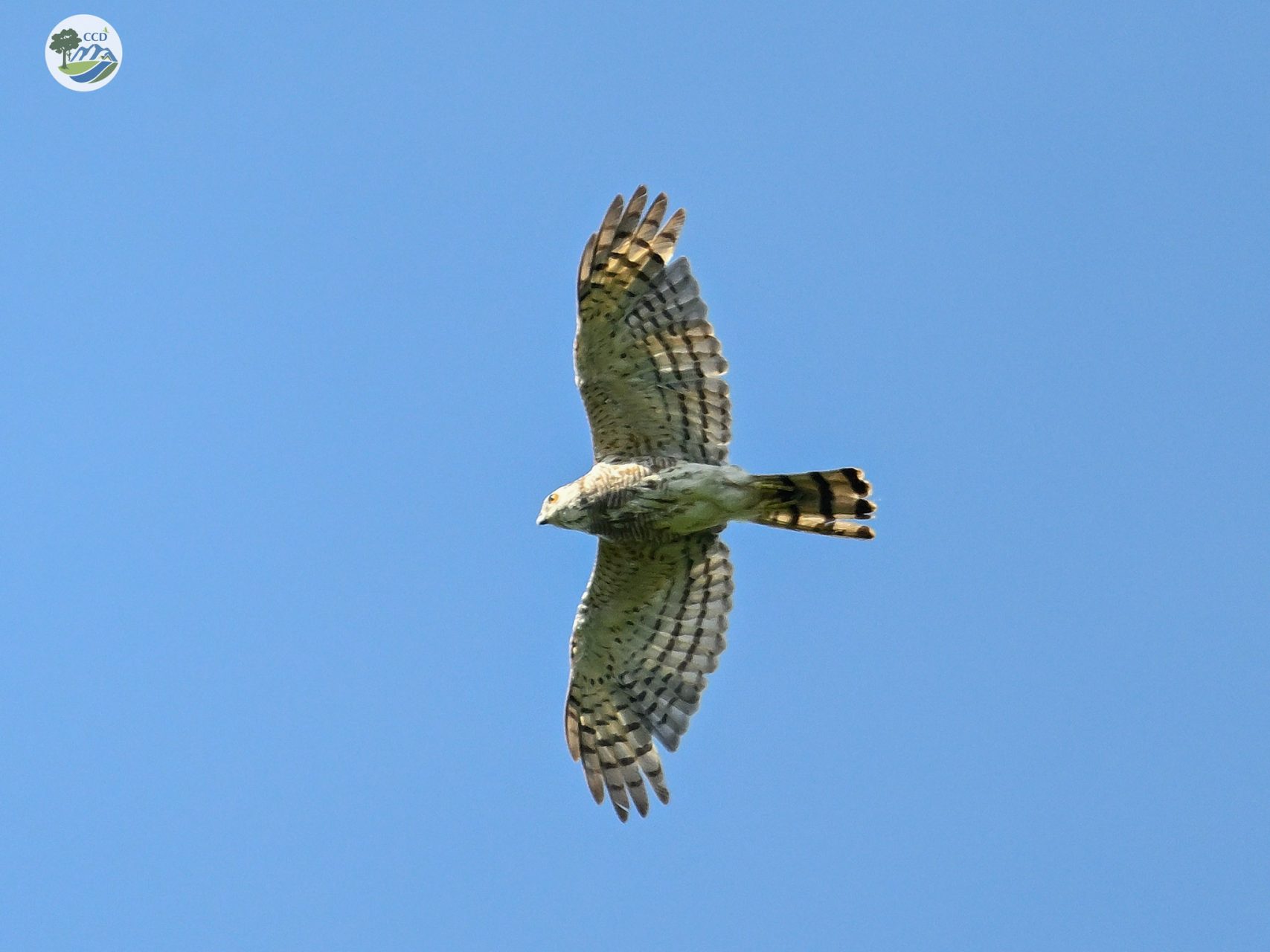

In the coming phase, conservation efforts should prioritize habitat protection, restoration, and management—particularly for the natural grasslands, which serve as essential habitats for large ungulates, carnivores, and raptors. Stabilizing and expanding these habitats is critical to the recovery of flagship species in the area.
CCD remains committed to supporting Ea So and other protected areas across Vietnam in strengthening conservation management, restoring degraded habitats, and safeguarding endangered species. Special attention will continue to be directed toward critically endangered species such as banteng, gaur, and green peafowl—icons of the semi-deciduous forest and grassland ecosystems of Ea So—as part of a long-term vision for sustainable nature conservation in Vietnam.